Pet Dental Care

Foland Veterinary Services provides professional pet dental care for dogs and cats in Weatherford, TX, working to keep your pet’s mouth healthy, comfortable, and free from the pain and complications that untreated dental disease can cause.

Dental Disease: One of the Most Overlooked Pet Health Issues

It’s easy to overlook your pet’s dental health when everything else seems fine. But here’s the reality: by age 3, the majority of dogs and cats show signs of dental disease—and most of them aren’t showing obvious symptoms. Pets instinctively mask discomfort, which means a pet that’s eating normally and behaving well at home may still be experiencing significant oral pain.

Dental disease doesn’t stay in the mouth, either. Bacteria from untreated periodontal disease can enter the bloodstream and, over time, may affect the heart, kidneys, and liver. What begins as a buildup of plaque and tartar can quietly become a systemic health concern—which is why routine dental care is such an important part of your pet’s overall wellness and preventative care.
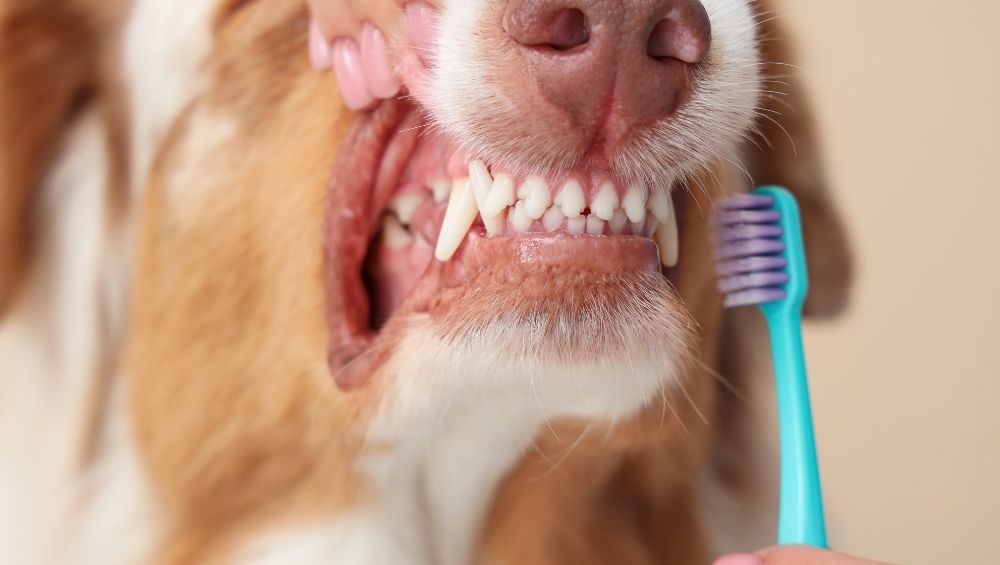
A close-up shot of a dog's mouth open, revealing clean white teeth, with a teal toothbrush with purple bristles being held near its gums.

Our Pet Dental Care Services

At Foland Veterinary Services, our pet dental clinic is equipped to provide thorough, professional oral care for dogs and cats. Here’s what our veterinary dentistry services include:

Professional Dental Cleanings

K
L

A professional dog or cat dental cleaning goes far beyond what any toothbrush can accomplish at home. After conducting bloodwork to confirm your pet's health, your pet will be placed under general anesthesia so our team can safely and thoroughly clean all surfaces of every tooth—including below the gumline, where the most damaging buildup occurs. Anesthesia also allows us to perform a complete oral exam without causing your pet stress or discomfort.

Dental Radiographs (X-Rays)

K
L

Much of a tooth's structure lies beneath the gumline, invisible during a standard visual exam. Dental radiographs allow us to evaluate the roots of every tooth, identify bone loss, detect abscesses, and uncover problems that would otherwise go unnoticed until they become significantly more serious. Dental X-rays are an essential part of a thorough oral evaluation.

Tooth Extractions

K
L
When a tooth is too damaged, infected, or diseased to save, extraction is often the most compassionate course of action. Our veterinarians perform tooth extractions with careful technique and appropriate pain management, helping your pet find relief from chronic oral pain and preventing further infection from spreading. Many pets feel noticeably more comfortable and energetic after a necessary extraction—because they've finally gotten relief from pain they'd been quietly living with.

Oral Health Assessments

K
L
Every dental procedure begins with a comprehensive evaluation of your pet's mouth—teeth, gums, tongue, palate, and surrounding structures. We check for signs of periodontal disease, tooth fractures, oral masses, abnormal wear, and any other concerns that warrant attention or monitoring.

Why Dental Disease Is So Serious—and So Preventable

Dental disease is the most common health problem to affect pets, and regular professional cleanings, paired with at-home care, can stave off this constant threat. Here’s a closer look at what’s at stake when oral health is neglected:
Periodontal Disease icon

Periodontal Disease

Periodontal disease begins when plaque—a soft film of bacteria—accumulates on the teeth and hardens into tartar. Over time, bacteria work their way below the gumline, causing inflammation, infection, bone loss, and eventually tooth loss. This process is largely painless in its early stages, which is why so many pets reach an advanced stage before the problem is identified.
Tooth Resorption icon

Tooth Resorption

Common in cats, tooth resorption is a painful condition in which the tooth structure gradually breaks down from the inside out. It can be difficult to detect without dental radiographs, and affected teeth typically require extraction to relieve pain.
Oral Pain icon

Oral Pain and Reduced Quality of Life

Chronic oral pain affects your pet’s ability to eat comfortably, their willingness to play, and their overall quality of life—often in ways that are subtle enough to be mistaken for simply “slowing down with age.” Addressing dental disease is frequently one of the most impactful things we can do for a pet’s day-to-day comfort.
Systemic Health Risks icon

Systemic Health Risks

Oral bacteria don’t always stay in the mouth. In some cases, bacteria from periodontal disease may travel through the bloodstream and contribute to problems affecting the heart, kidneys, and liver. Maintaining your pet’s oral health is one component of protecting their whole-body health.

February Is Dental Discount Month

Every February, Foland Veterinary Services offers 15% off dental cleanings, dental radiographs, and extractions—making it a great time to prioritize your pet’s oral health if they’re overdue for a professional cleaning.

Whether your dog or cat has visible tartar buildup, persistent bad breath, or simply hasn’t had a dental exam in a while, February is the perfect opportunity to take action.

At-Home Dental Care Between Visits

Professional cleanings are essential, but what happens between appointments matters too. Daily or regular toothbrushing is the single most effective at-home measure for slowing the buildup of plaque and tartar. Our team can show you how to brush your pet’s teeth at home and recommend dental health products—including dental chews, water additives, and prescription dental diets—that carry the Veterinary Oral Health Council (VOHC) seal of approval.

Not every pet will tolerate a toothbrush, and that’s okay. We’ll work with you to find at-home care options that fit your pet’s personality and your daily routine.

Pet Dental Care FAQs

How often does my pet need a professional dental cleaning?

K
L
Most dogs and cats benefit from a professional dental cleaning once a year, though some pets—particularly small breeds, which tend to be more prone to dental disease—may need more frequent care. Your veterinarian will evaluate your pet's oral health at their wellness exam and recommend a cleaning schedule based on what they find.

Why does my pet need anesthesia for a dental cleaning?

K
L
Anesthesia allows our team to safely and thoroughly clean all tooth surfaces, including below the gumline—the area where the most damaging disease occurs. It also allows us to take dental radiographs, perform a complete oral exam, and address any necessary extractions without causing your pet pain or distress. Anesthesia-free dental cleanings only address visible tooth surfaces and do not constitute a thorough or medically complete cleaning.

My pet's breath has always been bad. Is that normal?

K
L
Persistent bad breath in pets is almost always a sign of dental disease or another oral health concern—not something to accept as normal. If your pet has noticeably unpleasant breath, it's worth scheduling a dental evaluation sooner rather than later.

What are the signs that my pet may have dental disease?

K
L
Common signs include bad breath, visible tartar buildup, red or swollen gums, drooling, pawing at the mouth, dropping food while eating, reluctance to chew, or a preference for softer foods. That said, many pets with significant dental disease show none of these signs—which is why regular professional evaluations are so important.

Is anesthesia safe for my pet?

K
L
Anesthesia does carry some risk, but modern anesthetic protocols are highly safe when administered by an experienced team with proper monitoring. Before your pet's dental procedure, your veterinarian will perform a physical exam and may recommend pre-anesthetic bloodwork to assess your pet's overall health and minimize risk. We monitor your pet's vital signs continuously throughout every procedure.

My senior pet needs a dental cleaning. Is anesthesia safe at their age?

K
L
Age alone is not a disqualifying factor for anesthesia. Senior pets absolutely can—and often should—receive dental care, as oral disease tends to worsen with age. Pre-anesthetic bloodwork and a thorough health evaluation help us identify and address any risk factors before proceeding. In many cases, the risks of leaving serious dental disease untreated outweigh the risks of the procedure itself.

A Healthier Mouth and a Happier Pet

Oral health is deeply connected to your pet’s overall comfort and quality of life—and professional dental care is one of the most meaningful services we offer at Foland Veterinary Services. Our veterinary dentistry team brings the same common sense approach and genuine care to every dental procedure that we bring to everything else we do. For dogs and cats throughout Parker County, regular dental cleanings, radiographs, and attentive at-home care can make a real, lasting difference in how they feel every single day.